
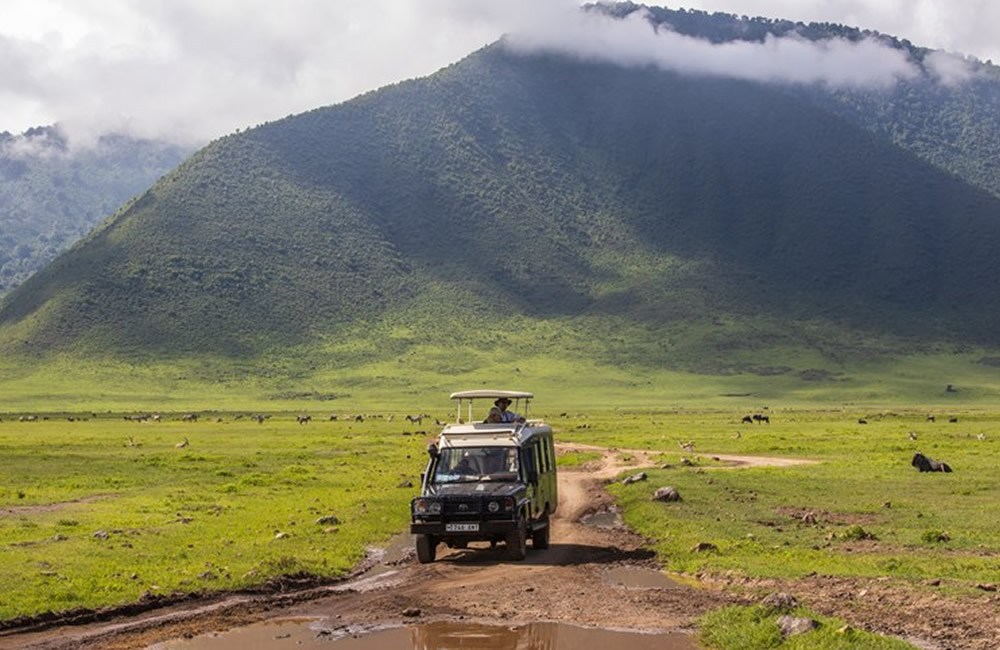
A self-drive gorilla trekking safari is one of the most rewarding ways to explore East Africa. It combines the freedom of independent travel with the unforgettable experience of meeting endangered mountain gorillas in their natural habitat. Whether you are traveling through Uganda or Rwanda, a self-drive safari allows you to explore at your own pace, stop at scenic viewpoints, interact with local communities, and enjoy a personalized adventure.
The main destinations for gorilla trekking are Bwindi Forest, Mgahinga National Park in Uganda and the Volcanoes National Park of Rwanda. Among these, Bwindi is the most popular for self-drive safaris because of its multiple gorilla trekking sectors and extensive road network.
Why choose a self-drive gorilla trekking safari?
A self-drive safari offers flexibility and adventure that organized group tours may not provide. Travelers can choose their own travel schedule, accommodation style, and sightseeing stops along the journey.
Benefits include:
- Freedom to travel at your own pace
- More privacy and independence
- Opportunity to explore hidden attractions
- Budget flexibility
- Ideal for photographers and adventure travelers
- Ability to combine gorilla trekking with other safari activities
Many travelers combine gorilla trekking with wildlife safaris, cultural tours, hiking, or lake visits across Uganda and Rwanda.
Best destinations for gorilla trekking
Bwindi Impenetrable National Park
Bwindi is home to nearly half of the world’s remaining mountain gorillas. The park has four main trekking sectors – Buhoma, Ruhijja, Rushaga and Nkuringo.
Each sector offers different trekking experiences, landscapes, and accommodation options. Rushaga is especially popular because it hosts many gorilla families and also offers gorilla habituation experiences.
Mgahinga Gorilla National Park
Mgahinga is smaller and less crowded than Bwindi. It offers beautiful volcanic scenery and opportunities to combine gorilla trekking with golden monkey tracking and volcano hiking.
Volcanoes National Park
Located in northern Rwanda, Volcanoes National Park is known for luxury gorilla trekking experiences and excellent road access from Kigali. It is ideal for shorter self-drive trips.
Choosing the right vehicle
The condition of roads leading to gorilla trekking parks can be challenging, especially during rainy seasons. A reliable 4×4 vehicle is highly recommended.
Popular self-drive vehicles include:
- Toyota Land Cruiser
- Toyota Prado
- Toyota Rav4
- Safari Land Cruiser with rooftop tent
- Extended Land Cruiser for groups
Important vehicle features:
- Four-wheel drive
- High ground clearance
- Spare tires
- GPS navigation
- Good fuel capacity
For travelers planning camping safaris, rooftop tent vehicles are excellent options.
Best Routes for self-drive gorilla trek in Uganda
Kampala – Bwindi Route
Travelers from Kampala usually drive through – Masaka – Mbarara – Kabale or Ntungamo to Bwindi. The journey takes approximately 8–10 hours depending on the trekking sector.
Entebbe – Bwindi Route
Starting from Entebbe provides easy airport access and is popular among international travelers.
Kigali – Bwindi Route
Many visitors fly into Kigali and drive into southern Uganda. This route is shorter and can take about 4–5 hours to reach southern Bwindi sectors like Rushaga and Nkuringo.
Gorilla Trekking Permits
A gorilla permit is mandatory for trekking. Permits should be booked several months in advance, especially during peak seasons. Permit costs vary by country and residency status. In Uganda, permits are issued by the Uganda Wildlife Authority, while Rwanda permits are managed by the Rwanda Development Board. The permit fee includes guided gorilla trek, park entrance and one hour with mountain gorillas.
Note: Travelers must carry passports or identification on trekking day.
What to expect during gorilla trekking?
Treks can last from 1 to 7 hours depending on the gorilla family location. Visitors hike through dense forests, steep hills, and muddy trails before meeting the gorillas. Once the gorillas are located, visitors spend one hour observing them from a safe distance as they enjoy different experiences like watching gorillas feed and groom, observing silverbacks protecting families, seeing playful young gorillas and listening to forest sounds and birdlife. Treks are led by experienced ranger guides and trackers.
What to pack for a self-drive gorilla safari?
Essential items include:
- Hiking boots
- Long-sleeved shirts and trousers
- Rain jacket
- Gardening gloves
- Insect repellent
- Reusable water bottle
- Camera without flash
- Snacks and energy foods
- First aid kit
- Offline maps or GPS
Waterproof bags are useful for protecting electronics during rain.
Road conditions and driving tips
Roads near gorilla parks are often rough, narrow, and slippery during rainy periods. Important driving tips include:
- Drive slowly on mountain roads
- Refuel in major towns before entering remote areas
- Avoid driving at night
- Carry cash for remote fuel stations
- Download offline navigation maps
- Check weather conditions before departure
Hiring a vehicle with comprehensive insurance is also recommended.
Best time for self-drive gorilla trekking
Gorilla trekking is available throughout the year, but the dry seasons are usually preferred. Best months are June to September and December to February. During rainy seasons, roads and trails may become muddy and difficult.
However, low or rainy seasons can offer incredible experiences since there are always fewer tourists, better accommodation rates, easier permit availability and greener scenery.
Accommodation options
Accommodation ranges from budget campsites to luxury safari lodges.
Budget guesthouses – Community lodges, guest houses and campsites.
Mid-range – Comfortable lodges with stunning views and personalized service.
Luxury – High-end eco lodges with stunning views and personalized service.
Travelers should choose accommodation close to their trekking sector to avoid early morning transfers.
Safety tips for self-drive travelers
To enjoy a safe safari:
- Follow park rules at all times
- Keep a safe distance from gorillas
- Avoid feeding wildlife
- Inform accommodation of your arrival plans
- Carry emergency contacts
- Respect local communities and cultures
- Keep valuables secure inside the vehicle
Travel insurance covering medical emergencies and vehicle incidents is highly recommended.
Frequently Asked Questions (FAQs) – Self-Drive in Uganda
- Do I need a 4×4 vehicle for a self-drive safari in Uganda?
Yes. A 4×4 is highly recommended for Uganda’s national parks, especially for reaching remote areas like Bwindi and Mgahinga. Roads can be rough, muddy, or steep, particularly in the rainy season.
- Is it safe to drive in Uganda?
Generally, yes. Main highways are in good condition, and Ugandans are friendly and helpful. However, road signs may be limited in rural areas. Avoid driving at night and always stay alert for potholes, livestock, and pedestrians.
- Can I rent a car in Uganda without a guide?
Yes. Several companies in Kampala and Entebbe offer self-drive rentals. Make sure the vehicle is insured, well-maintained, and comes with emergency support.
- Do I need an international driver’s license?
It is recommended. Uganda accepts foreign licenses for short visits, but an International Driving Permit (IDP) is safer to have, especially if you’re stopped by police.
- How do I get a gorilla trekking permit?
Gorilla permits are issued by the Uganda Wildlife Authority (UWA) and cost $700 per person. You can book directly with UWA or through a licensed tour operator. Book several months in advance.
- Where can I trek gorillas in Uganda?
You can trek in Bwindi Impenetrable National Park (four sectors: Buhoma, Ruhija, Rushaga, Nkuringo) or Mgahinga Gorilla National Park. Your permit will specify the sector and lodge proximity is important.
- Is GPS reliable for self-drive trips in Uganda?
GPS works in most places, but it’s wise to download offline maps (e.g., Maps.me or Google Maps offline) since signal can be weak in rural areas.
- Are fuel stations readily available?
Fuel stations are common in towns, but scarce in rural areas near national parks. Always fill up when you can, especially before entering park zones.
Conclusion
A self-drive gorilla trekking safari is a unique adventure that combines freedom, wildlife, and exploration. From navigating scenic mountain roads to standing face-to-face with mountain gorillas, the experience is unforgettable. With proper planning, the right vehicle, and well-organized permits, travelers can enjoy one of Africa’s greatest wildlife encounters while discovering the beauty of Uganda and Rwanda on their own terms.